About Earth Resistance Testing Equipment
Browse professional earth testers and grounding test equipment for electrical installation testing, maintenance, and inspection work.
Earth resistance testing equipment is used to check that electrical installations are safely grounded and operating correctly. These instruments help electricians and engineers identify faults, poor connections, and unsafe earthing conditions before they become a risk.
Common applications include:
- commercial electrical installations
- industrial sites
- construction projects
- utilities
- renewable energy systems
- inspection and maintenance work
Correct grounding is essential for protecting people, electrical equipment, and systems from electric shock and fault currents.
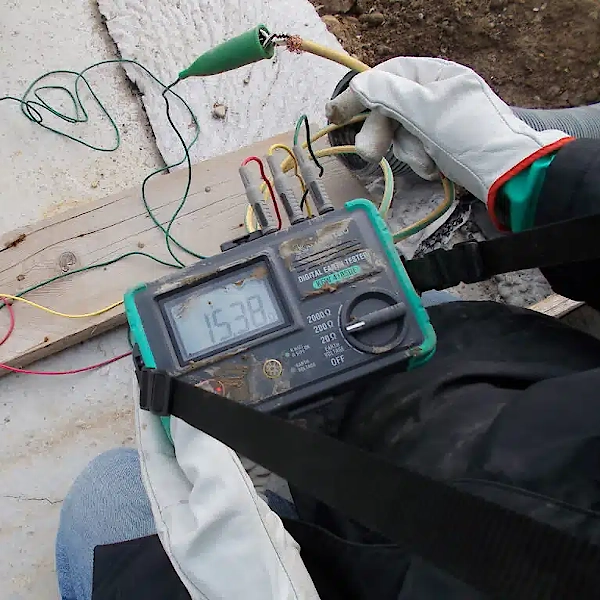
What Is Earth Resistance Testing?
Earth resistance testing measures how effectively fault currents can safely pass into the ground through an earthing system. Regular testing helps confirm that grounding systems continue to perform correctly over time.
These instruments are commonly used for:
- grounding system checks
- electrical installation testing
- electrode testing
- continuity testing
- routine maintenance inspections
Regular testing also supports compliance with electrical safety standards and workplace regulations.
Types of Ground Testing Instruments
Clamp-On Testers
Clamp-style instruments allow measurements without disconnecting the grounding system. They are ideal for live systems and maintenance applications.
2-Pole and 3-Pole Instruments
These are commonly used for standard resistance measurements on electrical installations and grounding electrodes.
Multifunction Installation Testers
Some multifunction testers include grounding test functions alongside insulation, continuity, and loop testing.
Key Features
Modern testing instruments are designed for fast and accurate measurements in demanding environments.
Common features include:
- digital displays
- automatic test functions
- portable designs
- clamp testing capability
- high accuracy readings
- rugged construction
- rechargeable battery options
- CAT safety ratings
Many models are built for regular site use and can withstand harsh industrial conditions.
Why Ground Testing Matters
Poor grounding can lead to:
- electric shock risks
- equipment damage
- unreliable fault protection
- electrical faults
- system downtime
Routine testing helps identify issues early and supports the safe operation of electrical systems.
Choosing the Right Instrument
When selecting a grounding tester, consider:
- installation type
- testing method
- site conditions
- portability
- required accuracy
- clamp or stake testing
- compliance requirements
Whether you need a compact tester for routine inspections or a multifunction installation tester for electrical work, choosing the correct equipment is important for safe and reliable testing.
❓ Frequently Asked Questions (FAQ)
Q1: What is an earth tester?
A. An earth resistance tester is used to measure the performance of grounding systems in electrical installations.
Q2: Why is grounding important?
A. Correct grounding helps protect people and equipment from electric shock and electrical faults.
Q3: What is a clamp-on tester?
A. A clamp-on tester measures grounding resistance without disconnecting the system, making it suitable for live electrical installations.
Q4: Where is grounding equipment used?
A. These instruments are commonly used in commercial, industrial, and maintenance environments for electrical safety testing.
Q5: How often should grounding systems be tested?
A. Testing frequency depends on the installation and industry requirements. Routine inspections are recommended as part of ongoing maintenance procedures.