Process Meters for Industrial Testing and Process Control
Simple and Reliable Tools for Industrial Engineers
Process meters help engineers and technicians test industrial control systems. They are used to measure signals, find faults and check that equipment is working correctly.
These handheld tools combine a digital multimeter and a loop calibrator in one instrument. This means users can test electrical values, check 4-20mA loops and simulate process signals using one device instead of several tools.
At Acutest, we supply process testing equipment from trusted brands including Fluke. Our range is designed for engineers who need reliable and easy-to-use testing tools for industrial work.
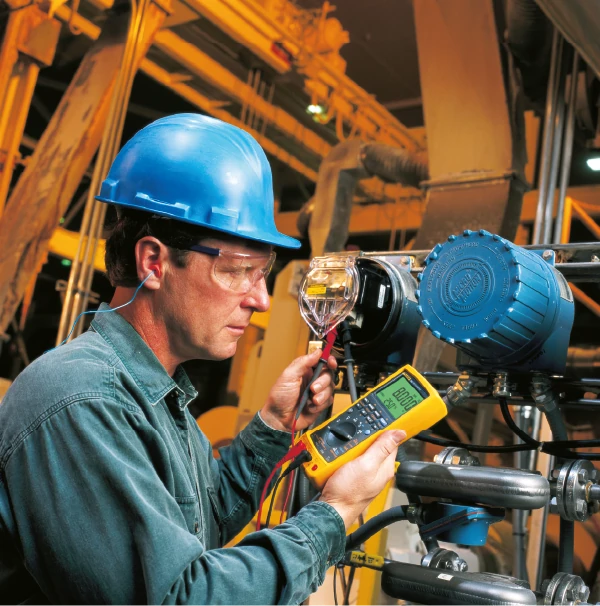
Process Meter Applications
Process meters are commonly used for:
- 4-20mA loop testing
- Transmitter testing
- Signal simulation
- Voltage testing
- Resistance testing
- PLC fault finding
- Control system checks
- Maintenance work
- Commissioning work
Many factories and industrial sites use automated systems every day. When a problem happens, engineers need tools that help them find faults quickly. Process meters make this easier by helping users test signals and check equipment fast.
Products such as the Fluke 789 ProcessMeter combine process calibration and multimeter functions in one compact tool. This helps engineers save time when working on site.
Unlike a standard multimeter, process meters are made for industrial process control systems. Many models include loop power functions, simple automatic testing features and strong safety ratings for industrial environments.
Manufacturers build these instruments for daily use in busy workplaces. They often include strong protective cases, clear displays and portable designs. Engineers use them in factories, plant rooms and during field service work.
How Process Meters Are Used in Industry
Process meters are used in many industries where machines and automated systems are important. In manufacturing plants, engineers use them to test sensors, transmitters and control systems used on production lines.
HVAC engineers use process testing tools to check controls and find faults in heating and cooling systems. Utility companies use them to maintain control panels and monitoring equipment.
In oil and gas plants, engineers use process calibration equipment to help keep systems safe and working correctly. Food production and pharmaceutical companies also use these tools to maintain quality and reliable production systems.
Process meters help engineers find faults faster and reduce downtime. They also help maintenance teams work more efficiently because one handheld tool can carry out several different tests.
As more industries use automation, process testing equipment continues to play an important role in maintenance, servicing and troubleshooting work.
❓ Frequently Asked Questions (FAQ)
Q1: What is a process meter?
A. A process meter is a handheld testing tool that combines multimeter functions with loop calibration features. It can measure and simulate process signals such as 4-20mA loops.
Q2: What are process meters used for?
A. Engineers and technicians use them to test, maintain and troubleshoot industrial control systems, transmitters, sensors and other process equipment.
Q3: What is the difference between a process meter and a multimeter?
A. A multimeter measures electrical values such as voltage and resistance. A process meter can also test and simulate current signals used in industrial automation systems.
Q4: Which industries use process meters?
A. Manufacturing, HVAC, utilities, oil and gas, food production, pharmaceutical companies and industrial maintenance teams all use process testing equipment.